

Commercial Wayfinding Signs
Help visitors find the right entrance, parking area, or department. Thomas Sign designs and installs custom wayfinding signs for commercial properties, healthcare facilities, and campuses.
Wayfinding Signs for Commercial Properties
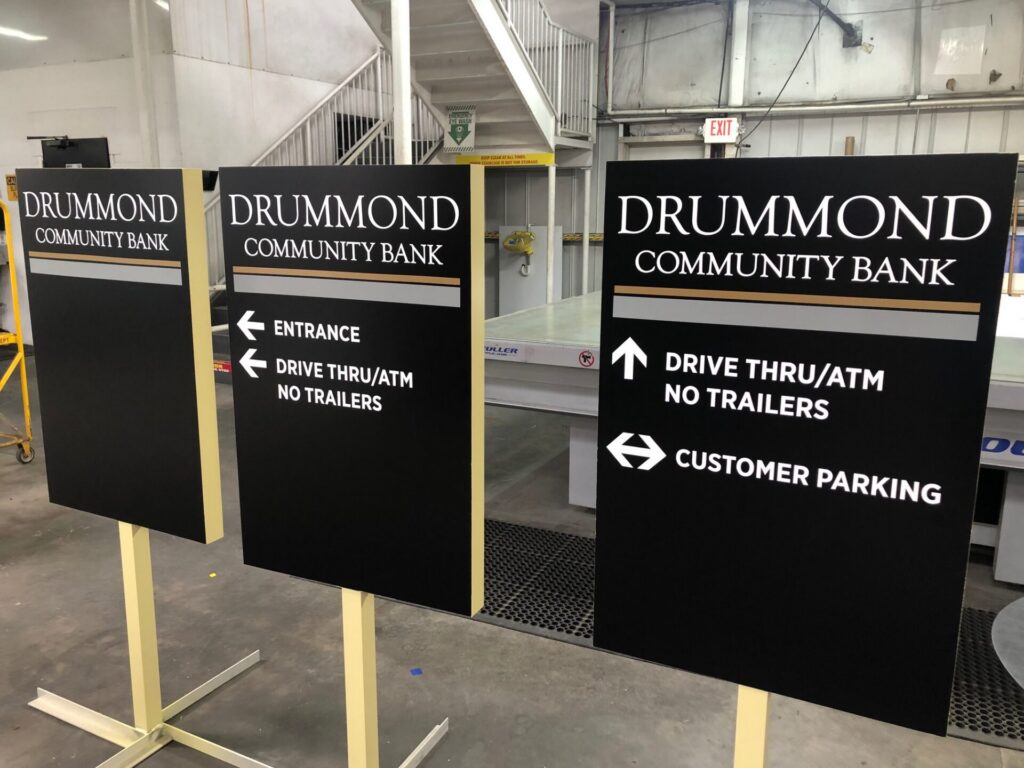
Wayfinding signs guide visitors from the point where they arrive to the place they need to go. Outside, signs can point drivers toward parking or a specific building entrance. Inside, directories and directional signs can help visitors find a department, elevator, or office.
We plan what each sign needs to say and where visitors will look for it. Using the same destination names from one sign to the next helps people follow the route.
Benefits
Benefits of Wayfinding Signs
Separate Parking and Drop-Off
Give drivers clear directions to visitor parking, pickup areas, or drop-off lanes as they enter the property.
Show Where to Turn
Place arrows and destination names at driveways, hallway junctions, and other points where visitors need to choose a direction.
Confirm Visitors Have Arrived
Label entrances, departments, and rooms so visitors can recognize their destination when they reach it.
Make Signs Easy to Recognize
Use consistent lettering, colors, and symbols so visitors know what to look for as they move through the property.
Wayfinding Sign Styles
Start with where visitors arrive and where they need to go. A single building may need only a few directional signs. A campus may need signs that work together from the road to the room.
Exterior Directional Signs
Custom exterior directional signs for hospitals, campuses, business parks.
Parking Directional Signs
Custom parking directional signs for parking garages, retail centers, campuses.
Interior Directional Signs
Custom interior directional signs for hospitals, offices, hotels.
Campus Wayfinding Signs
Custom campus wayfinding signs for universities, hospitals, corporate campuses.
Designing Wayfinding Around Your Property
We start with a site plan or floor plan. We trace common routes from parking, drop-off areas, or entrances to the destinations visitors need. At each turn or junction, we decide which names and arrows people need to see before they choose a direction.
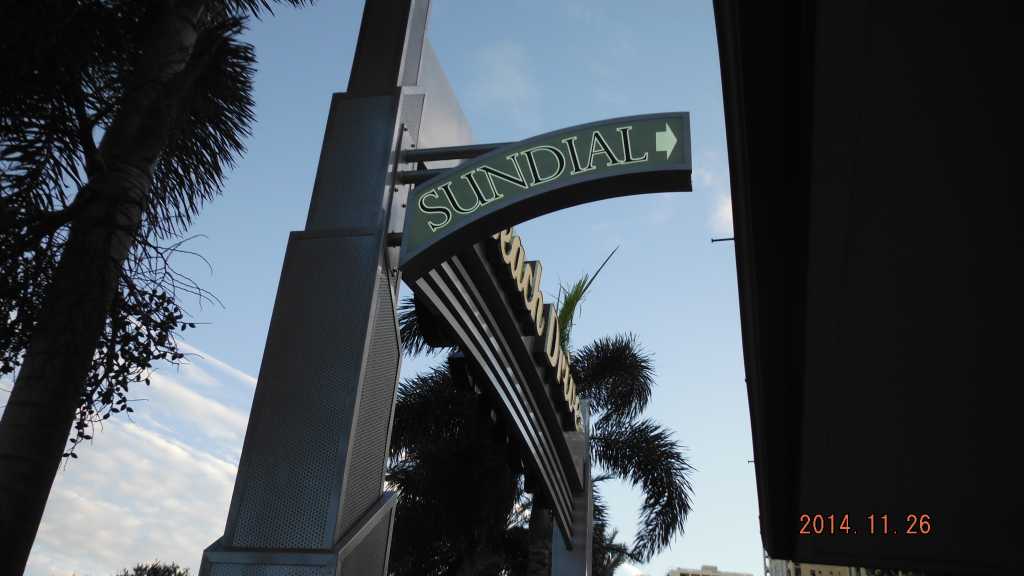
The approach also guides how each sign is mounted. A wall-mounted sign can identify a room at its door. A projecting sign can be seen from farther down a hallway. Outside, a freestanding sign can show directions where driveways or paths split.
Wayfinding Sign Materials & Construction
The right materials depend on where the sign goes and how often its message may change. An outdoor sign may need a freestanding support. An indoor directory may need a panel you can update as departments or tenants move.
Aluminum Sign Panels
Use aluminum panels for arrows, maps, and destination names on wall-mounted signs or freestanding signs.
Steel Posts & Frames
Steel posts or frames can support freestanding signs at parking entrances, driveways, and pedestrian paths.
Replaceable Directory Panels
Use individual panels or inserts where tenant names, departments, or room assignments may change over time.
How We Build Wayfinding Signs
We build wayfinding signs from approved shop drawings at our Clearwater facility. The drawings show the panel sizes, mounting details, and message for each sign. Before the signs go to the site, we check the destination names and arrow directions against the approved drawings.
Engineering
Sign design
Fabrication
Steel and aluminum
Installation
Installation and electrical
Final Completion
Quality Check
Wayfinding Sign Installation
We use the approved sign plan to confirm where each sign goes and which direction it faces. We coordinate access with the site team so crews can reach the right buildings, corridors, and parking areas.
After installation, we check signs from the direction visitors approach. That helps us confirm the arrows point the right way and each sign can be seen before visitors reach the turn.
Planning for Wayfinding Sign Requirements
Planning for Wayfinding Sign Requirements
We review where signs will go, how they will mount, and what each one will display. Exterior directional signs and interior room signs may need different reviews. Share your site plan and sign list early so we can identify which locations need a closer look before fabrication.
Our Permitting Services Include
- Zoning and code review
- Engineering support
- Permit preparation and submission
- Plan review support
- Inspection coordination
Updating an Existing Wayfinding System
When a department moves, a tenant changes, or an entrance closes, the directions may need to change across several signs. We review the route from parking or arrival through to the destination so visitors get consistent directions along the way.
Where the existing sign can be reused, an update may only need new graphics or a replacement panel. If the route changes, we can also review where signs need to be moved or added.
Featured Wayfinding Project
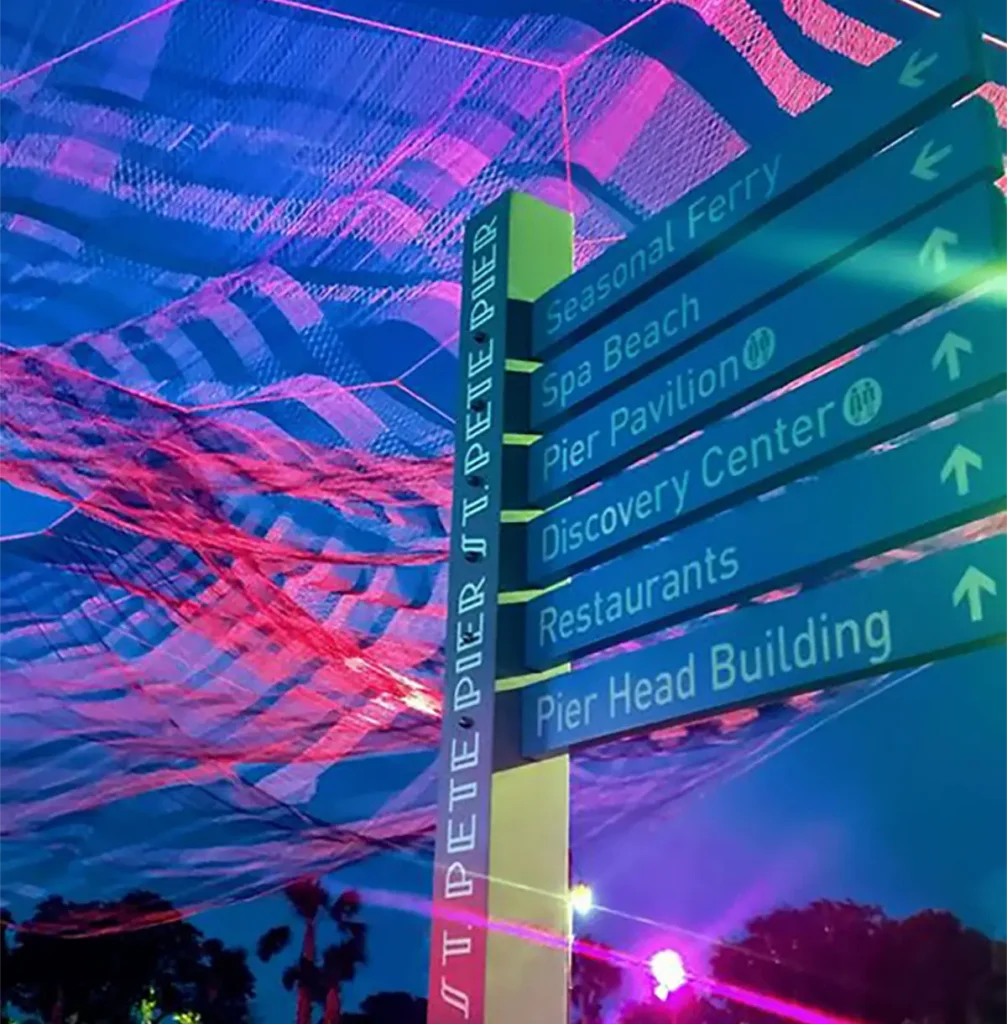
Thomas Sign built and installed wayfinding signs for the St. Pete Pier in St. Petersburg, Florida. The project included signs that direct drivers to parking, signs that guide visitors on foot, and digital directory kiosks.
Wayfinding Sign FAQs
What’s the difference between a directory and a directional sign?
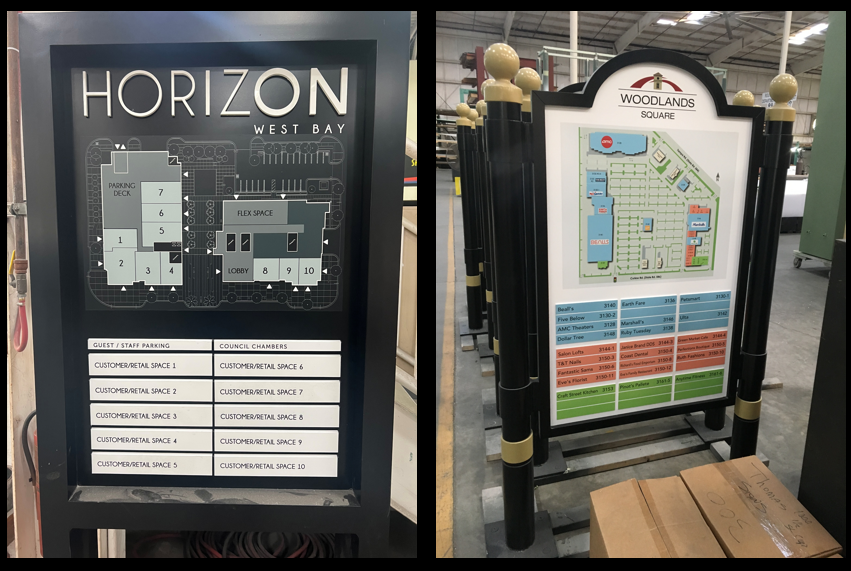
A directory lists destinations and can show where they are on a map. A directional sign tells visitors which way to go from where they are. A lobby directory can help visitors plan their route, while signs at hallway junctions guide them along it.
How do you decide how many wayfinding signs we need?
We look at where people arrive, where they need to go, and where they have to choose a direction. That helps us identify where a sign needs to give directions, confirm the route, or mark the destination.
Can we update part of our wayfinding system at a time?
Yes. You can start with a new entrance, a renovated floor, or a department that has moved. We review the full route to that area so we can identify any signs elsewhere that still point visitors to the old location.
Can wayfinding signs match our existing signs and brand?
Yes. Share your brand guidelines and photos of the signs you plan to keep. We can use those references to coordinate colors and lettering while keeping arrows, symbols, and destination names easy to read.
Can wayfinding include tactile room signs or Braille plaques?
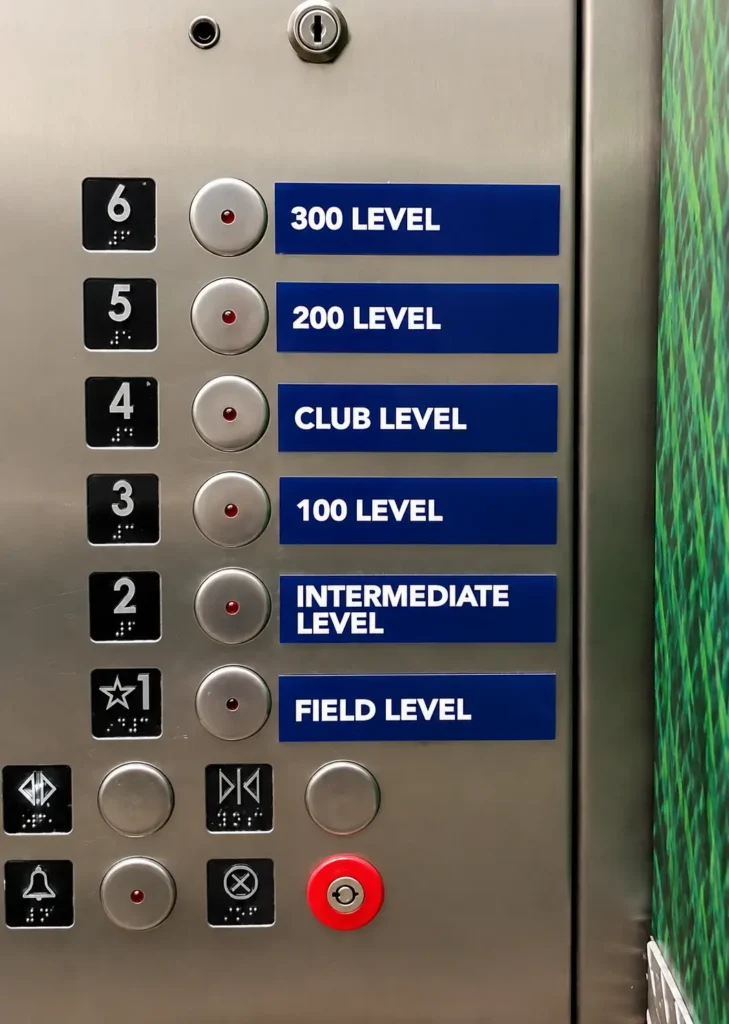
Yes. A wayfinding project can include tactile room identification signs and Braille plaques alongside directories and directional signs. Share your room list and floor plan so we can review where those signs belong.
Get a Quote for Wayfinding Signs
Send us your site address and tell us where visitors have trouble finding their way. Include a site plan or floor plan if you have one.
Request a QuoteRelated Sign Types

Architectural Signage
Thomas Sign designs and manufactures custom architectural signage for commercial developments nationwide. We combine structural elements, dimensional signage, and integrated lighting to create distinctive property landmarks. From entrance towers to illuminated architectural…

Awnings & Canopies

Blade Signs
We design custom blade signs for businesses and commercial properties. Each sign is designed to fit your building, match your brand, and improve visibility from sidewalks and nearby streets. We consider: Building…

Channel Letters
Channel letters are individual, three-dimensional letters that display your business name on a building. They’re a common choice for storefronts, offices, and shopping centers. They can also be paired with a matching…